


Weather Resistant Sign Material Types: 2026 Guide
Weather resistant sign materials are substrates and coatings engineered to maintain structural integrity, color, and legibility when exposed to UV radiation, rain, wind, and temperature swings. The most durable outdoor sign materials include Aluminum Composite Material (ACM), PVDF-coated metals, UV-stabilized polycarbonate, High Density Polyethylene (HDPE), vinyl, and corrugated plastic. Choosing the right weather resistant sign material types determines whether your sign lasts one season or two decades. This guide breaks down each material, explains how coatings affect longevity, and helps you match the right substrate to your specific outdoor environment.
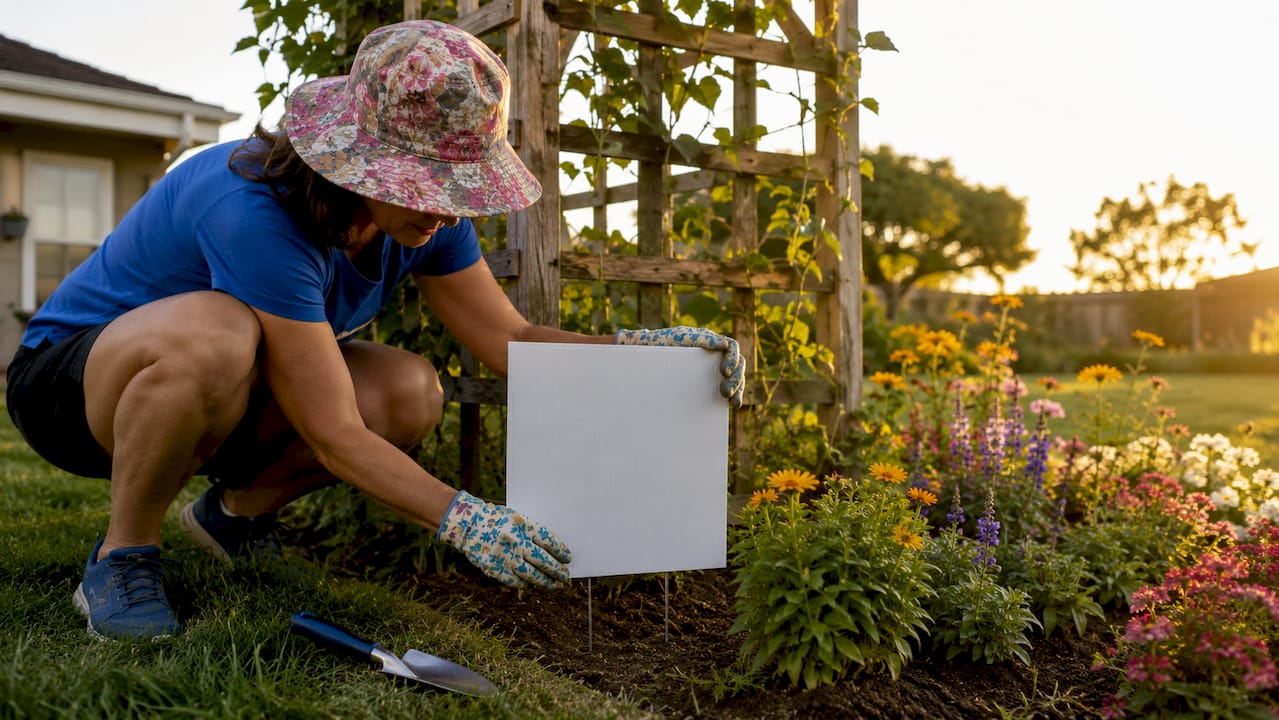
1. what are the top weather resistant sign material types?
The six most widely used durable sign materials for outdoor applications each serve a distinct purpose. Understanding their properties before you order saves money and prevents premature sign failure.
-
Aluminum Composite Material (ACM): ACM panels consist of two thin aluminum sheets bonded to a polyethylene core. This structure resists warping, and PVDF-coated ACM typically carries warranties of 15–20 years with a potential lifespan of 30 years with proper maintenance. ACM is the go-to choice for permanent exterior business signage, building facades, and directional signs.
-
PVDF-Coated Metals: PVDF (polyvinylidene fluoride) is a fluoropolymer coating applied to aluminum or steel coil. PVDF coatings deliver 20–30 years of outdoor service life with over 90% color retention at 10 years. That level of color stability is unmatched by standard polyester or silicone-modified polyester finishes.
-
UV-Stabilized Polycarbonate: Standard polycarbonate yellows and becomes brittle within 2–3 years outdoors. UV-stabilized polycarbonate lasts 10–15+ years because UV protection is embedded directly into the material or co-extruded as a surface layer. This material suits illuminated sign faces, canopy panels, and display boards where clarity matters.
-
High Density Polyethylene (HDPE): HDPE signs are fully waterproof and UV resistant, and they do not rot or delaminate. Pigment is embedded throughout the material, so there is no surface coating to peel. Parks, trails, and marine environments rely on HDPE for this reason.
-
Vinyl and Self-Adhesive Vinyl: Vinyl is a flexible, waterproof signage option used for banners, window graphics, and wraps. Cast vinyl outperforms calendered vinyl in outdoor applications because it conforms to surfaces without shrinking. Vinyl works best as a medium-term solution of 3–7 years depending on UV exposure and laminate quality.
-
Corrugated Plastic (Coroplast): Corrugated plastic is a cost-effective, waterproof solution, but Coroplast signs generally last only 1–2 years outdoors due to UV degradation causing brittleness and fading. That short lifespan makes it ideal for yard signs, political campaigns, and short-term event signage where low cost matters more than longevity.
Pro Tip: For yard signs and short-run promotions, corrugated plastic delivers the best cost-per-impression ratio. For permanent business signage, invest in ACM or PVDF-coated aluminum from the start.
2. how coatings and finish quality affect outdoor sign durability
The base substrate is only half the equation. Coating systems determine how long a sign retains its color, resists corrosion, and stays legible in harsh conditions.
-
PVDF (Kynar 500 / Hynlar) Fluoropolymer Coatings: These are the highest-performing coatings available for metal sign substrates. PVDF coatings carry a 1,500+ hour salt spray rating, making them the standard for coastal and industrial environments. The key variable is resin content. Lower PVDF blends deliver shorter lifespans and weaker color retention, so always verify the coating specification with your supplier.
-
Silicone-Modified Polyester (SMP) Coatings: SMP coatings sit in the mid-range for outdoor performance. They outperform standard polyester but fall well short of PVDF in UV resistance and color retention over a 10-year period. SMP is a reasonable choice for semi-sheltered or low-UV environments where budget is a constraint.
-
Standard Polyester (PE) Coatings: PE coatings are the entry-level option for coil-coated metals. They are suitable for interior signage or short-term outdoor use but are not recommended for permanent exterior applications in high-UV or coastal zones.
-
UV-Stabilized Coatings on Polycarbonate and Acrylic: The manufacturing method matters here. Co-extruded UV layers provide superior and longer-lived protection compared to surface coatings, which are susceptible to abrasion and wear. Always specify co-extruded UV protection when ordering polycarbonate sign panels.
-
Overlaminates and Protective Layers: UV-stable inks and overlaminates are as critical as substrate selection for maintaining message legibility outdoors. The ANSI Z535.4 (2023) standard requires labels to remain legible under UV, moisture, and abrasion conditions. An overlaminate adds a physical barrier that protects printed ink from both UV fade and surface abrasion.
“Durability in outdoor signage means ongoing legibility. Specifying UV-stable inks and a protective overlaminate is not optional for signs that need to perform for more than two years.”
Pro Tip: Ask your sign supplier for the coating’s PVDF resin percentage and the salt spray test hours. A reputable supplier will provide this data. If they cannot, treat that as a red flag.
3. how environmental conditions shape your material choice
Your location is the single biggest factor in selecting the right sign material for outdoor use. A substrate that performs well in Denver may fail within a year in Miami.
| Environmental Factor | Recommended Material | Why It Matters |
|---|---|---|
| High UV exposure | PVDF-coated ACM, UV-stabilized polycarbonate | Prevents color fade and brittleness |
| Coastal salt spray | PVDF-coated aluminum, HDPE | Resists corrosion and delamination |
| High wind load | ACM, solid aluminum | Rigid panels resist flex fatigue |
| Moisture and rain | HDPE, ACM, vinyl | Waterproof construction prevents rot |
| Freeze-thaw cycles | Polycarbonate, HDPE | Flexible materials resist cracking |
| Short-term use | Corrugated plastic (Coroplast) | Low cost, adequate for 1–2 seasons |
Beyond material selection, installation quality directly determines how long any sign survives outdoors. Poor edge protection causes moisture ingress at seams and fastener holes, which is the leading cause of composite panel failure in the field. Seal all cut edges with a compatible sealant and use stainless steel or aluminum fasteners to prevent rust staining.
Key installation practices that protect your investment:
- Seal all panel edges before mounting to block water infiltration
- Use standoffs or spacers to allow airflow behind the sign panel
- Apply UV-stable mounting tape or gaskets at contact points
- Inspect fastener holes annually and reseal as needed
- Clean PVDF-coated signs with mild soap and water. PVDF coatings shed dirt naturally via rainfall, reducing how often you need to clean them
For weatherproof signs at outdoor festivals and events, wind load is often the critical factor. Rigid ACM panels on secure frames outperform vinyl banners in sustained wind conditions above 30 mph.
4. comparing popular outdoor sign materials side by side
Choosing among the best outdoor sign materials comes down to four variables: cost, lifespan, weight, and the environment where the sign will live.
| Material | Typical Lifespan | Relative Cost | Best Use Case |
|---|---|---|---|
| PVDF-Coated ACM | 20–30 years | High | Permanent business signage |
| PVDF-Coated Metal | 20–30 years | High | Architectural and industrial signs |
| UV-Stabilized Polycarbonate | 10–15 years | Medium-High | Illuminated sign faces, canopy panels |
| HDPE | 15–25 years | Medium | Parks, trails, marine environments |
| Cast Vinyl | 3–7 years | Low-Medium | Banners, wraps, window graphics |
| Corrugated Plastic | 1–2 years | Low | Yard signs, campaigns, short events |
A few practical notes on this comparison:
- Weight matters for mounting. ACM panels weigh significantly less than solid aluminum of the same thickness, which reduces structural load on mounting hardware and walls.
- Aesthetics vary by material. PVDF-coated metals and ACM offer the cleanest, most professional appearance for retail and corporate environments. HDPE has a matte, utilitarian look better suited to parks and industrial settings.
- Customization options differ. Vinyl and corrugated plastic accept full-color digital printing at low cost. ACM and polycarbonate require more specialized printing or routing processes, which adds to production time and cost.
- Budget scenarios: For a real estate agent placing 20 signs per month, corrugated plastic is the practical choice. For a restaurant investing in a permanent exterior sign, PVDF-coated ACM pays for itself within three years compared to replacing cheaper signs repeatedly.
For durable real estate signs that hold up through rain, sun, and wind, the material choice directly affects how your brand looks in the field. A faded or warped sign signals neglect, not professionalism.
Pro Tip: When comparing quotes from sign suppliers, ask for the substrate specification sheet, not just the price. Two ACM panels at the same price can have very different coating grades and lifespans.
You can also review substrate and finish guidance for harsh weather environments to understand how material specs translate to real-world performance across different sign applications.
Key takeaways
The most durable outdoor sign materials combine a weather-resistant substrate with a UV-stable coating and proper installation to deliver long-term legibility and structural performance.
| Point | Details |
|---|---|
| Substrate plus coating | PVDF-coated ACM delivers the longest lifespan, up to 30 years with proper maintenance. |
| UV protection method | Co-extruded UV layers in polycarbonate outperform surface coatings that wear off over time. |
| Installation quality | Sealing edges and fastener holes prevents moisture ingress, the leading cause of sign failure. |
| Short-term vs. long-term | Corrugated plastic suits campaigns and events; ACM and HDPE suit permanent outdoor installations. |
| Legibility standard | ANSI Z535.4 requires UV-stable inks and overlaminates to maintain readable outdoor signage. |
What experience taught me about picking the right sign material
Most people focus entirely on the sign face and ignore the coating spec. That is the mistake I see most often. A business owner orders a “aluminum sign” and assumes all aluminum signs are equal. They are not. The difference between a standard polyester-coated panel and a PVDF-coated panel is the difference between a sign that looks sharp at year ten and one that looks washed out at year three.
The second mistake is skipping edge sealing. I have watched well-made composite panels fail within two years because water got into an unsealed edge, froze, and split the panel. The material was not the problem. The installation was.
On the other end of the spectrum, I have seen people over-specify for short-term needs. Corrugated plastic gets a bad reputation, but for a 90-day political campaign or a seasonal sale, it is exactly the right tool. Spending five times more on ACM for a sign that comes down in October makes no financial sense.
One thing I always recommend: check whether your sign system meets ANSI Z535.4 legibility standards if the sign carries any safety or directional message. The substrate and ink system both need to hold up together, not just the panel itself.
For anyone buying weatherproof signage for seasonal sales, the practical answer is usually corrugated plastic or cast vinyl for short runs and PVDF-coated ACM for anything meant to last. Everything in between is a judgment call based on your budget, location, and how long the sign needs to perform.
— YardSignGuy
Get weather-resistant yard signs from Yardsigns
Yardsigns builds outdoor signs from weatherproof materials designed to hold up through rain, sun, and wind without fading or warping. Whether you need a quick-turnaround yard sign for a campaign or a property sign that stays sharp through every season, Yardsigns ships orders under 50 pieces within 24 hours so you are never waiting when timing matters.
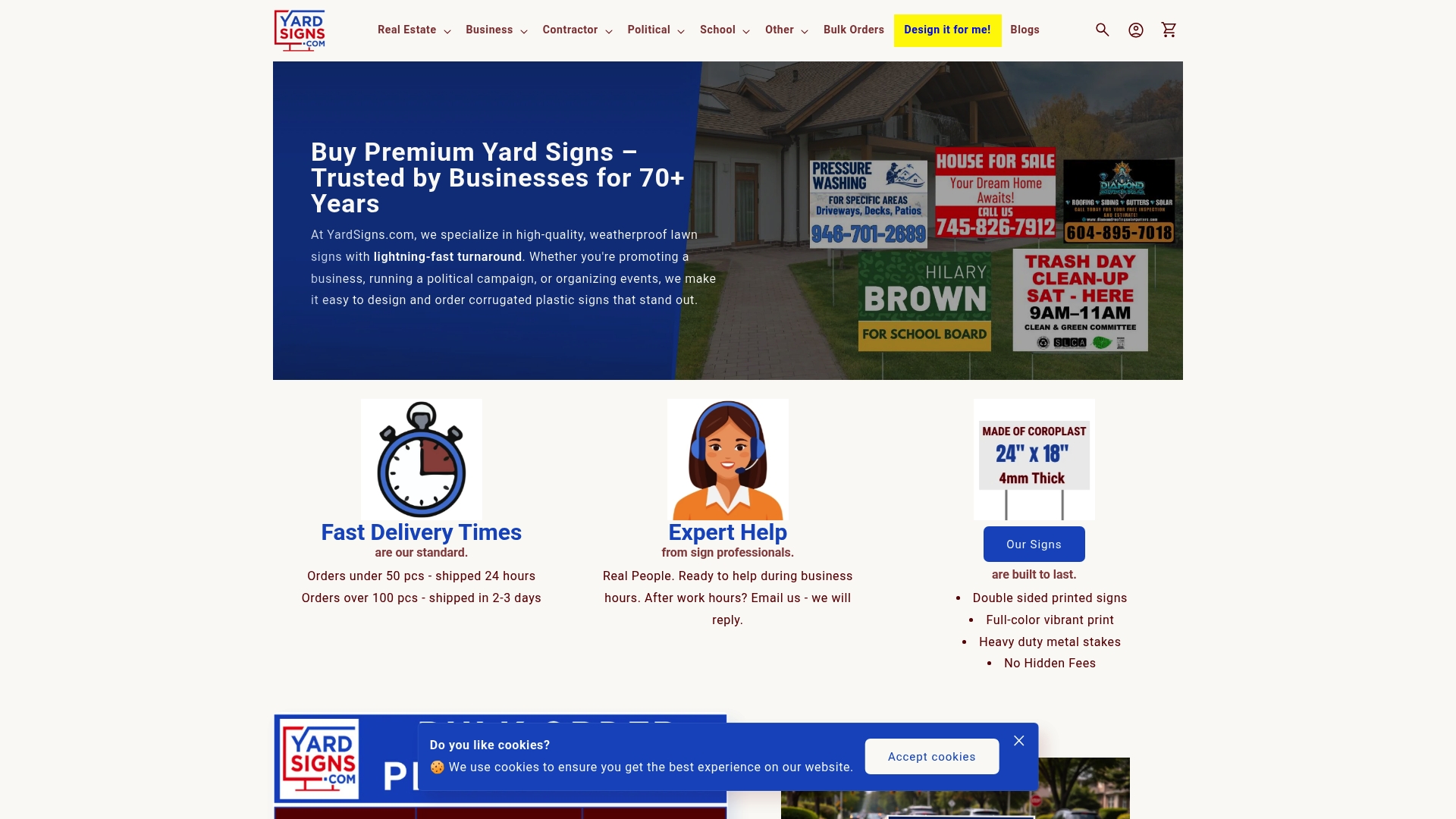
Every sign is printed with UV-stable inks on substrates chosen for outdoor performance. You can customize your design, choose your size, and get a finished product that looks as good in week eight as it did on day one. Explore ready-to-order options like this weatherproof property sign or browse the full catalog at Yardsigns.com to find the right sign for your outdoor application.
FAQ
What is the most durable material for outdoor signs?
PVDF-coated Aluminum Composite Material (ACM) is the most durable option for permanent outdoor signs, offering a lifespan of 20–30 years with over 90% color retention at 10 years.
How long do corrugated plastic signs last outdoors?
Corrugated plastic signs typically last 1–2 years outdoors before UV degradation causes brittleness and fading, making them best suited for short-term campaigns and events.
Does uv-stabilized polycarbonate really outperform standard polycarbonate?
Yes. UV-stabilized polycarbonate lasts 10–15+ years outdoors, while standard polycarbonate yellows and becomes brittle within 2–3 years without UV protection.
Why does edge sealing matter for outdoor sign panels?
Water ingress at unsealed edges and fastener holes is the leading cause of composite panel failure outdoors. Proper sealing prevents moisture from splitting or delaminating the panel over time.
What coating should i specify for a sign in a coastal environment?
Specify a PVDF (Kynar 500 or Hynlar) coating with a verified 1,500+ hour salt spray rating. This coating resists corrosion and color fade far better than standard polyester or silicone-modified polyester finishes in salt-heavy air.
