


Outdoor Sign Material Comparison: 2026 Buyer's Guide
Outdoor sign material comparison is the process of evaluating substrates like Aluminum Composite Material (ACM), acrylic, PVC foam board, and corrugated plastic against three core criteria: durability, cost, and environmental suitability. The industry term for these substrates is sign substrate or signage panel. Your choice directly determines how long your sign lasts, how much you spend per year of use, and whether it survives the specific conditions at your location. Get it right and your sign works hard for years. Get it wrong and you are reprinting within months.
1. outdoor sign material comparison: rankings by durability and cost
The four most common outdoor sign substrates cover a wide range of lifespans and price points. Understanding where each one sits helps you match material to mission before you spend a dollar.
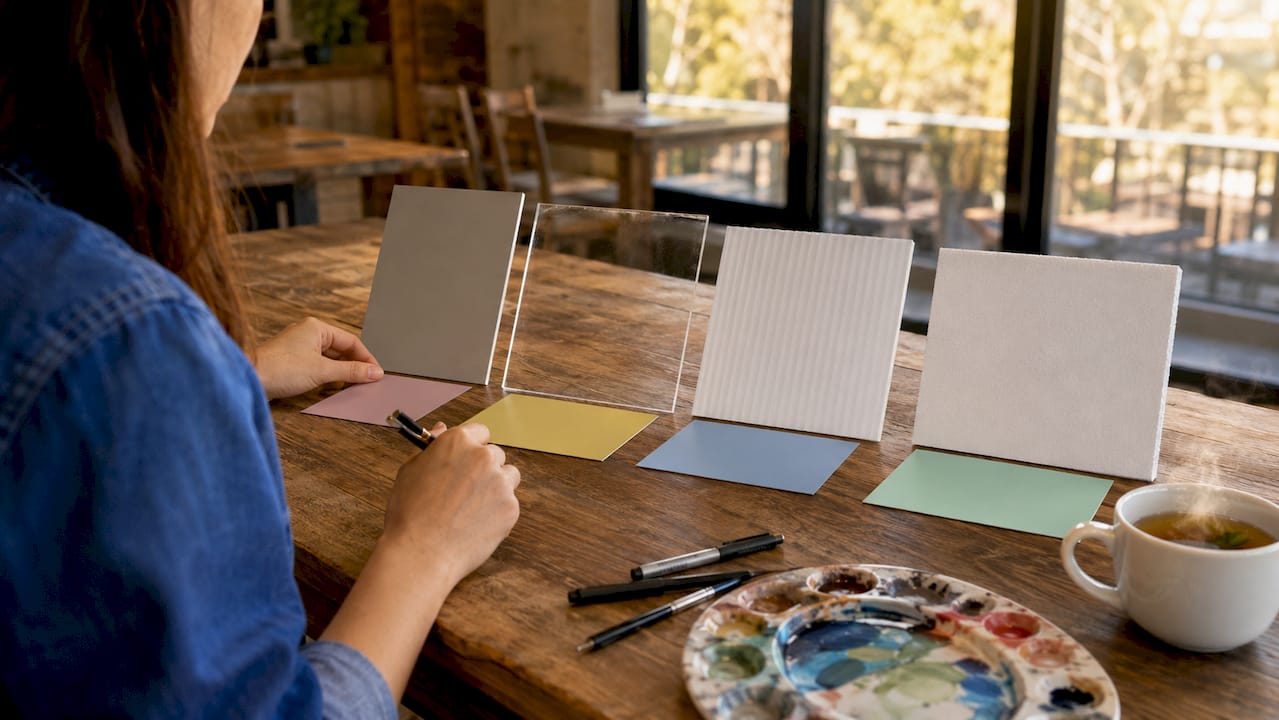
Aluminum Composite Material (ACM)
ACM is the top-ranked substrate for long-term outdoor use. It consists of two thin aluminum sheets bonded to a polyethylene core, and that sandwich construction is what sets it apart. ACM lasts 10–20+ years outdoors, making it the clear choice for permanent building signs, monument signs, and any installation where replacement is costly. The cost is higher upfront, but ACM costs 2–3× foam PVC per square meter while lasting 5–10× longer. That math strongly favors ACM for any sign expected to stay in place for more than three years.
- Lifespan: 10–20+ years
- Cost: High upfront, low cost per year
- Pros: Flat, rigid, weather-resistant, holds print quality under temperature swings
- Cons: Heavier than plastic substrates, higher initial investment
- Best for: Permanent outdoor ID signs, real estate office signs, building fascia
Acrylic
Acrylic delivers a premium, glass-like appearance that no other substrate matches at its price point. It lasts 5–10+ years outdoors when properly protected. The catch is that acrylic expands and contracts with temperature changes, which stresses both the material and any applied print. Without UV-resistant coatings and proper mounting, acrylic signs degrade faster than their potential lifespan suggests.
- Lifespan: 5–10+ years with protection
- Cost: Medium to high
- Pros: Premium visual finish, good clarity, works well for backlit signs
- Best for: Retail storefronts, salon signs, illuminated displays
PVC Foam Board
PVC foam board is the workhorse of medium-term signage. It is lightweight, easy to cut, and accepts direct print well. PVC foam board lasts 2–5 years outdoors and balances cost and durability for campaigns that run longer than a season but do not justify ACM pricing. It is not ideal for coastal or high-UV environments without added protection.
- Lifespan: 2–5 years
- Cost: Low to medium
- Pros: Lightweight, easy to fabricate, smooth print surface
- Best for: Semi-permanent retail signs, directional signs, trade show displays
Corrugated Plastic (Coroplast)
Corrugated plastic, widely known by the brand name Coroplast, is the go-to for short-term campaigns. It is extremely cheap, lightweight, and waterproof but lasts only up to 12 months outdoors. That short lifespan is not a flaw for its intended purpose. Political yard signs, open house signs, and event directionals all fit perfectly within that window.
- Lifespan: 3–12 months
- Cost: Very low
- Pros: Inexpensive, easy to stake, fully waterproof
- Best for: Political campaigns, real estate open houses, short-term promotions
Pro Tip: When comparing cost across substrates, calculate cost per year of use rather than cost per sign. A $15 corrugated plastic sign replaced three times costs $45. A $40 PVC foam board sign that lasts four years costs $10 per year.
2. how environment and print specs affect sign longevity
Choosing the right substrate is only half the equation. Sign longevity depends on the entire build: substrate, inks, print method, and protective layers all determine real-world durability. Two signs made from the same material can have dramatically different lifespans based on how they were printed and finished.
UV exposure and protective coatings
UV radiation is the primary cause of color fade and surface degradation in outdoor signs. Premium acrylic signs last 5+ years when UV-resistant coatings and protective laminates are applied correctly. Without that protection, the same sign may show visible fading within 18 months in a high-sun environment like Arizona or Florida.
Key environmental stress factors to account for:
- Direct sun exposure: South-facing signs receive the most UV load and need the highest protection rating
- Coastal salt air: Salt accelerates corrosion on metal-based substrates and degrades adhesive layers faster
- Temperature swings: Freeze-thaw cycles stress mounting hardware and cause expansion cracking in rigid plastics
- Humidity: High moisture environments promote delamination in poorly sealed substrates
Print methods and ink quality
The print method matters as much as the substrate. UV-cured inks bond directly to the substrate surface and resist fading better than solvent-based inks in most outdoor conditions. Second-surface printing, where the image is printed on the back of a clear substrate and viewed through the material, adds a built-in protective layer that significantly extends print life.
Specifying PVDF-coated ACM panels and second-surface UV printing together gives you the most durable outdoor sign system available at the commercial level.
Digital signage hardware considerations
For businesses evaluating outdoor digital displays alongside static signs, outdoor digital signage requires IP65 minimum sealing to protect enclosures from dust and water. Coastal installations should specify IP66 or higher. This applies to the hardware enclosure, not the sign substrate itself, but it is a critical spec to confirm before purchasing any outdoor digital display.
3. quick-reference comparison table
Use this table to evaluate the best materials for outdoor signs at a glance. Data reflects 2026 industry benchmarks for standard commercial-grade products without premium coatings unless noted.
| Material | Typical Outdoor Life | Relative Cost | Weight | Print Quality | Best Uses |
|---|---|---|---|---|---|
| ACM | 10–20+ years | High | Medium | Excellent, stable | Permanent ID, building signs |
| Acrylic | 5–10+ years | Medium-High | Medium | Premium, glass-like | Retail, backlit, storefronts |
| PVC Foam Board | 2–5 years | Low-Medium | Light | Good | Semi-permanent, trade shows |
| Corrugated Plastic | 3–12 months | Very Low | Very Light | Adequate | Campaigns, events, yard signs |
The table makes the tradeoff clear. ACM and acrylic deliver superior print quality and longevity but cost more. Corrugated plastic and PVC foam board keep costs low at the expense of lifespan. Matching your choice to your actual campaign duration is the most practical framework for comparing outdoor sign materials efficiently.
4. which outdoor sign material is best for your situation?
The right substrate depends on how long you need the sign and what you are willing to spend. Here is a scenario-based breakdown to guide your decision.
-
Short-term events and promotions (under 12 months). Corrugated plastic is the correct choice. It is waterproof, stakes easily into grass or soil, and costs little enough that you can order in bulk without budget strain. Political campaigns, grand opening signs, and seasonal promotions all fall here. Yardsigns ships orders under 50 pieces within 24 hours, which makes corrugated plastic the fastest path from design to deployment. Learn more about durable signs for events to set realistic expectations before you order.
-
Medium-term campaigns (1–5 years). PVC foam board covers most retail, restaurant, and directional signage needs in this window. If your location has high UV exposure or coastal conditions, step up to acrylic with UV-protective laminate. The added cost is worth it when you factor in avoided reprints.
-
Long-term permanent signage (5+ years). ACM is the correct answer here without exception. Its sandwich panel construction resists warping and oil-canning under temperature swings, which keeps your print looking flat and sharp for years. Pair it with PVDF coating for maximum weather resistance.
-
Real estate and property signage. Durability of outdoor sign materials matters more here than in most categories because signs often stay up through multiple seasons. ACM or high-quality PVC foam board with UV laminate both work well. Check out Yardsigns’ real estate sign guide for substrate-specific advice on this use case.
-
Seasonal retail and promotional signage. Weatherproof PVC foam board or corrugated plastic covers most seasonal needs. The key is matching the substrate lifespan to your campaign window so you are not paying for durability you will not use. Yardsigns covers this in detail in their guide to weatherproof seasonal signage.
Pro Tip: Always seal the edges of PVC foam board and acrylic signs before outdoor installation. Exposed edges absorb moisture, which accelerates delamination and warping from the inside out.
Key takeaways
Matching sign substrate to campaign duration is the single most effective framework for outdoor sign material selection, because it aligns cost, lifespan, and environmental performance in one decision.
| Point | Details |
|---|---|
| ACM leads in longevity | ACM lasts 10–20+ years and resists warping, making it best for permanent signs. |
| Corrugated plastic suits short campaigns | Coroplast lasts up to 12 months and costs very little, ideal for events and yard signs. |
| Print system determines real durability | Substrate alone does not determine lifespan; inks, coatings, and print method matter equally. |
| Cost per year beats cost per sign | Calculate annual cost to compare substrates fairly across different lifespan categories. |
| Edge sealing prevents early failure | Sealing exposed edges on PVC and acrylic signs blocks moisture and extends usable life. |
What i have learned after years of watching signs fail
By YardSignGuy
Most buyers focus entirely on the substrate and ignore everything else. That is the mistake I see most often, and it causes real frustration when a sign that should last three years looks terrible after one summer.
The failure mode I see most frequently is edge and adhesion breakdown in printed acrylic. Thermal expansion creates stress between the ink layer and the substrate surface. Over time, that stress causes cracking at the edges and clouding across the face. The sign was not defective. The spec was wrong. Nobody accounted for the temperature range at the installation site.
ACM avoids this problem structurally. The composite sandwich construction absorbs thermal stress across the panel rather than concentrating it at the surface or edges. That is why ACM signs in direct sun still look flat and sharp after a decade while solid aluminum or plastic signs of the same age are warped and faded.
My honest advice: spend 10 minutes calculating your cost per year before you finalize any substrate choice. Then add UV-resistant coating to whatever you select. That single upgrade extends the life of every substrate category and costs a fraction of a reprint. The buyers who skip it almost always regret it.
— YardSignGuy
Find the right sign for your next project at Yardsigns
You now know which substrate fits your timeline and budget. The next step is putting that knowledge to work with a sign that is built to last and printed to impress.
Yardsigns offers a full range of outdoor signs built from weather-resistant materials, with vibrant printing that holds up through rain, heat, and UV exposure. Whether you need a quick-turnaround event congratulations sign for a one-day celebration or a durable yard sign for a longer campaign, Yardsigns ships orders under 50 pieces within 24 hours. Browse the full catalog at Yardsigns.com and use the design tool to customize your sign with confidence, knowing the material and print quality are already dialed in.
FAQ
What is the most durable outdoor sign material?
ACM (Aluminum Composite Material) is the most durable outdoor sign substrate, with a lifespan of 10–20+ years. Its sandwich panel construction resists warping and maintains print quality under temperature swings.
How long does corrugated plastic last outdoors?
Corrugated plastic lasts 3–12 months outdoors. It is best suited for short-term campaigns like political signs, open house signs, and event directionals.
Does print quality affect how long an outdoor sign lasts?
Yes. Sign durability depends on the full build: substrate, inks, print method, and protective coatings. UV-cured inks and protective laminates significantly extend the lifespan of any substrate.
Is acrylic a good choice for outdoor signage?
Acrylic is a strong choice for outdoor signs when UV-resistant coatings and proper mounting are specified. Without protection, thermal expansion can cause edge cracking and surface clouding within 18 months.
How do i choose between PVC foam board and ACM?
Choose PVC foam board for signage needed for 2–5 years at moderate cost. Choose ACM when you need 10+ years of outdoor performance, as its higher upfront cost delivers a lower cost per year over the sign’s life.
