


Commercial Property Yard Sign Use: 2026 Guide
Commercial property yard sign use is defined as the placement of printed, weatherproof signs on or adjacent to commercial real estate sites to advertise availability, communicate project status, and direct traffic to the property. Property managers and commercial real estate brokers rely on these signs as the first point of contact between a listing and the public. Unlike digital ads, a well-placed sign works around the clock with no recurring cost. Understanding how to use yard signs correctly determines whether your property gets noticed or gets passed by.
What is commercial property yard sign use and why does it matter?
Commercial property yard signs serve three core functions: advertising a space for lease or sale, displaying company and broker contact information, and communicating construction or development updates to passersby. The sign sits on the property itself, which means it reaches exactly the audience most likely to act. A driver slowing down near a vacant retail strip is already a qualified lead. No digital channel replicates that physical proximity.
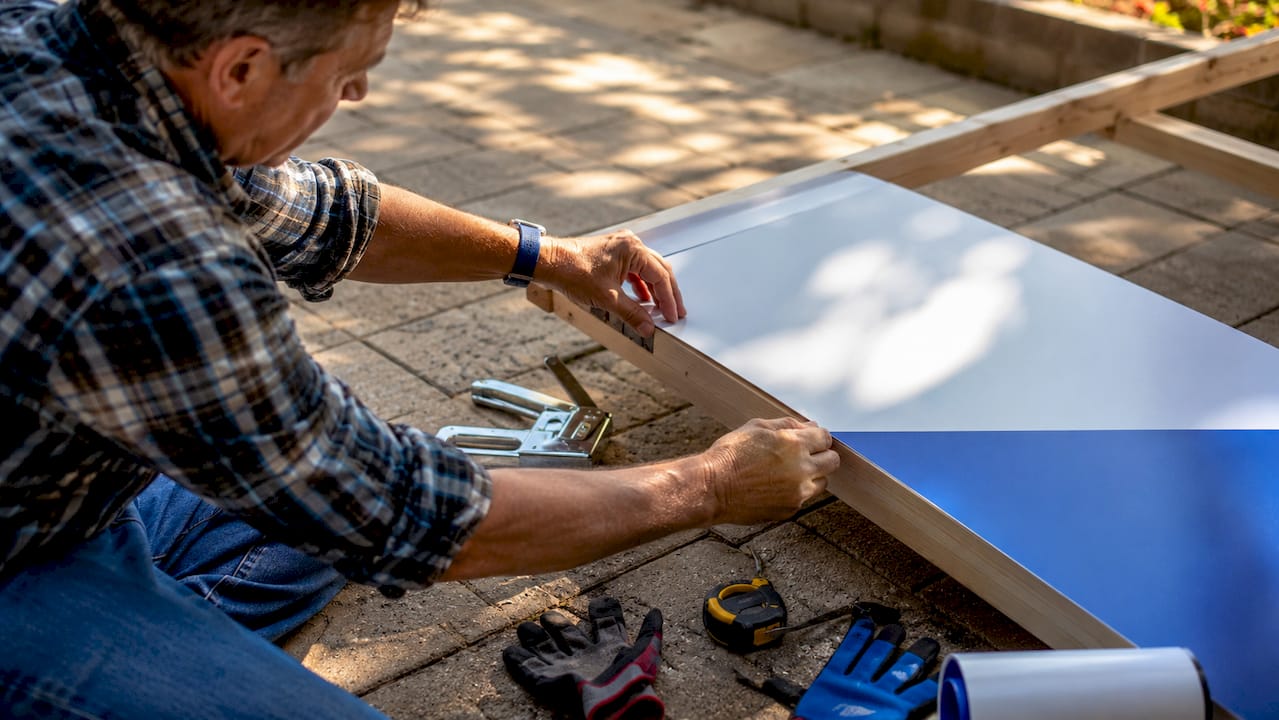
The commercial yard sign purpose extends beyond simple advertising. Signs signal that a property is actively managed. A clean, professionally printed sign tells prospective tenants and buyers that the owner takes the asset seriously. A faded, crooked sign sends the opposite message. First impressions on commercial real estate are formed at the curb, and signage is the first thing a prospect sees before they ever contact a broker.
Outdoor promotional signage covers a broad category, but commercial property signs occupy a specific niche. They must balance legal compliance, durability, and clear messaging in a single physical object. Getting that balance right is what separates signs that generate calls from signs that generate nothing.
What are the standard design specifications for commercial property yard signs?
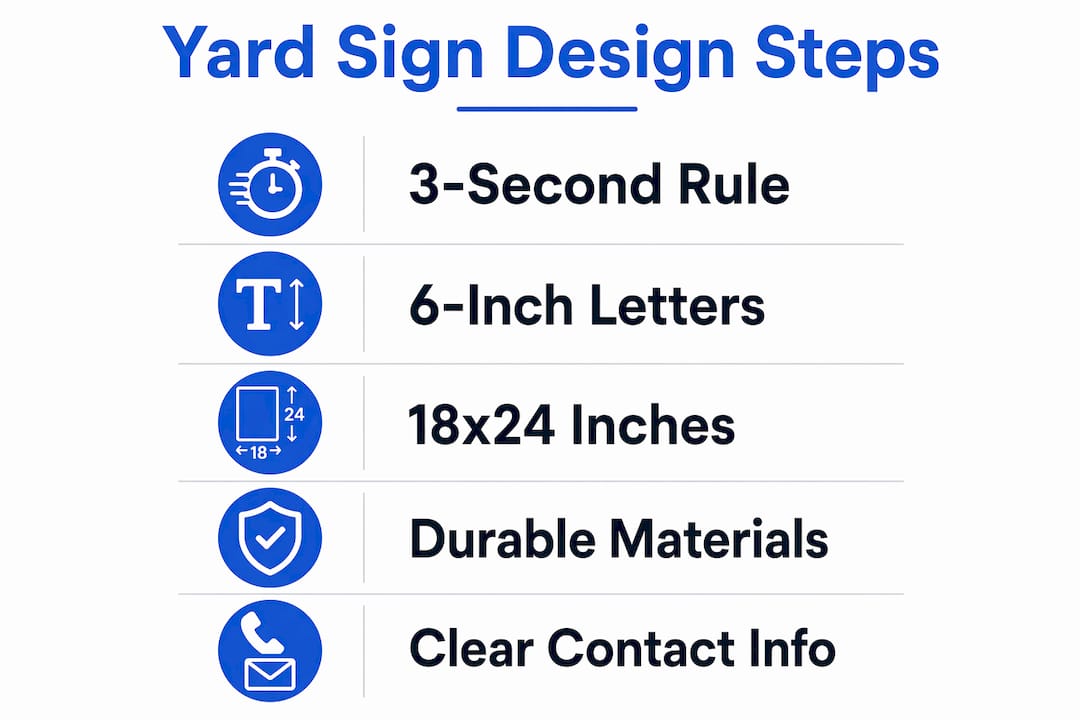
Design specifications directly determine whether a sign communicates its message or gets ignored. The 3-second comprehension rule is the governing standard: a driver passing at normal speed must read and understand the sign’s core message in three seconds or less. That constraint shapes every design decision, from font size to color contrast.
Size and viewing distance
The 18x24 inch format is the industry standard for readability at distances of 0–70 feet, using 6-inch letters. For properties near high-speed roadways or large lots, sign sizes scale up to 4x8 feet to maintain legibility at greater distances. Matching sign size to site conditions is not optional. An undersized sign on a highway-adjacent lot is invisible to the drivers you need to reach.
Materials that hold up on commercial sites
- Corrugated plastic (coroplast): Lightweight, affordable, and weather-resistant. Best for short to medium-term campaigns of 30–90 days.
- Vinyl banners: Heavy-duty vinyl flex material resists wind, rain, and sun better than paper or foam, making vinyl banners ideal for storefronts, fences, and construction barriers.
- Metal panels (aluminum or steel): The most durable option for long-term installations. Aluminum resists rust and holds UV-printed graphics without fading.
- Double-sided signs: Use double-sided formats on corner lots or high-traffic intersections where traffic approaches from two directions. Single-sided signs work for properties with a single primary sightline.
Pro Tip: Choose aluminum or steel frames over wire H-stakes for signs that will stay up longer than 60 days. The upfront cost difference is small, and the reduction in maintenance calls is significant.
Reviewing an outdoor sign material comparison before ordering saves you from replacing signs mid-campaign when weather conditions deteriorate.
How do different sign types compare for commercial property use?
Not every commercial property needs the same sign format. The right choice depends on the property type, the duration of the campaign, and the traffic conditions at the site.
| Sign Type | Best Use Case | Durability | Installation Complexity |
|---|---|---|---|
| Post and panel | Vacant lots, office buildings, industrial sites | High | Moderate |
| Vinyl banner | Construction barriers, storefronts, fences | Medium-High | Low |
| Wire-frame yard sign | Short-term directional or open house use | Low-Medium | Very low |
| Heavy-duty steel frame | Long-term lease or sale campaigns | Very high | Moderate |
Post and panel signs are the standard for high-visibility, long-duration commercial real estate campaigns. They stand independently, resist wind loading, and project a professional image that wire-frame signs cannot match. For a vacant industrial lot or a multi-tenant office building, post and panel is the correct choice.
Wire-frame yard signs fill a different role. They work well for directional signage during an open house or a short-term promotional event. They install in minutes and cost less per unit, which makes them practical for campaigns where you need multiple signs across a neighborhood.
Vinyl banners excel on construction sites. A banner stretched across a chain-link fence or hoarding board covers a large surface area at low cost. The heavy-duty vinyl flex material handles the constant wind load that would destroy a lighter material within days.
Pro Tip: For retail storefronts awaiting a new tenant, combine a post and panel sign at the street with a vinyl banner on the building facade. The two formats reach different sightlines and double your exposure without doubling your budget.
What are best practices for installing commercial property yard signs?
Correct installation determines how long a sign lasts and how well it performs. A sign that leans, tears, or falls over within a week reflects poorly on the property and the broker.
- Check local ordinances before you install. Municipalities enforce setback rules and require permits for sign placement. Local laws govern size, number, and display duration. Confirm requirements with the city or county before ordering signs.
- Get property owner permission in writing. Even on properties you manage, document authorization. This protects you if a neighbor or code enforcement officer challenges the sign.
- Tilt the sign 5–10 degrees upward. A slight upward tilt improves sightlines for drivers and reduces wind resistance, which extends the sign’s stability over time.
- Soften hard ground before driving stakes. Pouring water on the installation spot and waiting 10 minutes before driving stakes prevents bending and damage. This step is especially important in summer when clay soils bake hard.
- Align H-stake tines with the corrugated flutes. Forcing the stake into the wrong channel tears the coroplast and weakens the sign’s structural integrity. Take 10 seconds to align correctly before pushing down.
- Schedule installation before the first deep freeze. Frozen ground makes stake installation difficult and may require specialized tools. Plan your campaign timeline to avoid installing in december or january in northern climates.
Beyond installation, maintenance matters. Inspect signs monthly. Replace any sign that shows fading, tearing, or physical damage. A damaged sign communicates neglect, not availability.
- Position signs at eye level for drivers, not pedestrians.
- Keep the sign face clear of overgrown vegetation that can block the message within weeks.
- Use UV-resistant printing to prevent color fade on long-term installations.
For guidance on placement angles and positioning relative to traffic flow, the sign placement principles used in retail contexts apply directly to commercial property sites.
How do yard signs support commercial property advertising strategies?
Yard signs are a direct-response advertising tool. Their commercial yard sign purpose is not just awareness. It is to generate a specific action: a phone call, a website visit, or a property tour request.
The message on a commercial property sign must do three things: identify what is available (lease, sale, or development), provide a clear call to action (phone number, website, or QR code), and reinforce brand credibility through professional design. A broker’s logo and consistent color palette on every sign across a portfolio builds recognition over time. Prospects who see the same brand on multiple properties associate it with market activity and reliability.
QR codes have become a practical addition to commercial signage. A QR code printed on the sign links directly to a property listing page, a virtual tour, or a contact form. This integration with digital marketing turns a physical sign into a measurable lead-generation tool. You can track scans by property and adjust messaging based on engagement data.
Effective yard sign advertising strategies also include directional signs. A series of signs placed at key intersections within a half-mile radius guides prospects directly to the property. This works especially well for properties set back from the main road or located in industrial parks where addresses are not intuitive.
- Use high-contrast color combinations: dark text on a light background, or white text on a dark background.
- Limit copy to five words or fewer for the headline. Add a phone number and website below.
- Refresh sign graphics when a property’s status changes. A “For Lease” sign left up after a tenant signs a lease wastes an opportunity to advertise the next available unit.
Measuring sign performance is straightforward. Use a dedicated phone number or a unique URL on each property’s sign. Track inbound calls and web visits by source. This data tells you which locations generate the most inquiries and informs future placement decisions.
The benefits of yard signs for local visibility are well-documented. For commercial real estate, the advantage is that signs reach people already in the trade area, which is the audience most likely to act.
Key takeaways
Commercial property yard sign use is most effective when design specifications, sign type, installation technique, and message strategy are aligned to the specific property and traffic conditions.
| Point | Details |
|---|---|
| Design to the 3-second rule | Use 6-inch letters on an 18x24 inch sign for readability at up to 70 feet. |
| Match sign type to property | Post and panel for long-term campaigns; vinyl banners for construction sites; wire-frame for short-term directional use. |
| Install correctly | Tilt signs 5–10 degrees, align H-stake tines with flutes, and soften hard ground before driving stakes. |
| Comply before you install | Check municipal setback rules and get written property owner permission before placing any sign. |
| Measure and adjust | Use dedicated phone numbers or QR codes to track which signs generate inquiries and refine placement accordingly. |
What I’ve learned from years of watching commercial signs succeed and fail
By YardSignGuy
The most common mistake I see property managers make is treating the sign as an afterthought. They order the cheapest option, install it without checking local codes, and wonder why it generates no calls. The sign is not a formality. It is the first sales conversation your property has with every person who drives past it.
The shift I’ve watched over the past several years is the move from temporary corrugated plastic to UV-printed aluminum and steel-framed signs for anything longer than a 60-day campaign. The cost difference is real, but so is the difference in how the property presents. A warped, sun-bleached sign on a vacant office building tells the market that nobody cares about the asset. A crisp, UV-printed panel on a steel post says the opposite.
I’ve also seen QR codes go from a novelty to a genuine lead tool. The property managers who adopted them early now have actual data on which sign locations outperform others. That data changes how they allocate their signage budget across a portfolio. If you are not tracking sign performance with a dedicated number or a QR code, you are flying blind.
One thing the industry still gets wrong is seasonal timing. Managers wait until a property goes vacant in november, then try to drive stakes into frozen ground. Plan your sign installation for september or october in cold climates. The ground is workable, the days are still long enough to do the job properly, and you capture the fall leasing season before it closes.
— YardSignGuy
Order commercial yard signs built for property managers
Property managers need signs that hold up through weather cycles, look professional at the curb, and arrive fast enough to meet listing timelines. Yardsigns delivers exactly that.
Yardsigns offers customizable commercial yard signs in a full range of sizes, from standard 18x24 inch formats to large-format panels for high-traffic roadways. Choose from corrugated plastic, vinyl, and metal options with UV-resistant printing that holds color through sun and rain. Orders under 50 pieces ship within 24 hours, so you can get a sign on a newly vacated property before the week is out. Whether you manage a single retail strip or a portfolio of industrial sites, Yardsigns has the materials and turnaround to keep your properties properly signed.
FAQ
What is the standard size for a commercial property yard sign?
The industry standard is 18x24 inches for properties with traffic passing at 0–70 feet. Larger properties near high-speed roads use signs up to 4x8 feet to maintain readability at greater distances.
How long do commercial yard signs typically last outdoors?
Corrugated plastic signs last 30–90 days in direct sun and weather. UV-printed aluminum or steel-framed signs hold their appearance for one to two years or longer under normal outdoor conditions.
Do I need a permit to place a commercial yard sign?
Most municipalities require permits and enforce setback rules for commercial signage. Check local ordinances and obtain written property owner permission before installing any sign on a commercial site.
What should a commercial property yard sign say?
Keep the headline to five words or fewer. Include the property status (for lease or for sale), a phone number, and a website or QR code. Broker logo and contact details complete the sign.
How do I measure whether my yard sign is generating leads?
Use a dedicated phone number or a unique URL printed on each sign. Track inbound contacts by source to identify which locations and messages produce the most inquiries.
Recommended
- Home Sale Yard Sign - Plain White Blue - Right Arrow Design – YardSigns.com
- Home Sale Yard Sign - Plain White Blue - Right Arrow Design – YardSigns.com
- Durable Real Estate Sign in All Weather: Pro Guide – YardSigns.com
- Home Sale Yard Sign - Plain Mustard Yellow White - Right Arrow with – YardSigns.com
